
A practical framework for activating public spaces through placemaking
Public spaces shape how we meet, move, care, and belong. Yet many parks, plazas, campuses, and neighborhood spaces remain underused, fragmented, or disconnected from the communities they are meant to serve.
The Public Space Activation Toolkit is a practical, action-oriented framework developed by The Place Institute to help communities, institutions, and cities activate public spaces through placemaking.
This is not a master plan. It is a working system designed to be used, tested, adapted, and sustained over time.

The Toolkit is a workshop-based, card-deck tool that helps teams translate placemaking into shared understanding, decisions, and concrete action.It supports collective work around three interconnected dimensions of place:
Hardware
The physical conditions of space
Software
What happens in the space
Orgware
How the place is governed and sustained
Sustainability, care, and community ownership are embedded across all three dimensions.

Through facilitated workshops, participants collectively analyze a real public space using the card deck to identify:
- What works and what does not
- Barriers to use, safety, and inclusion
- Opportunities for activation
- Gaps in governance or management
This process creates a shared language between community members, institutions, and decision-makers.

The Toolkit supports collective prioritization:
- What can be activated immediately
- What can be tested through low-cost pilots
- What requires coordination or governance rather than construction
- What should evolve over time
Placemaking becomes a practical, strategic process instead of an abstract concept

The Toolkit emphasizes learning through action:
- Rapid pilots and temporary activations
- Iterative programming cycles
- Feedback from real use
- Continuous adjustment
Spaces evolve through use, not static plans.
The Public Space Activation Toolkit is fundamentally grounded in implementation.
%20MAPA%20OSH%20nuevo-%20Campus%20Salud%20Digna.jpg)
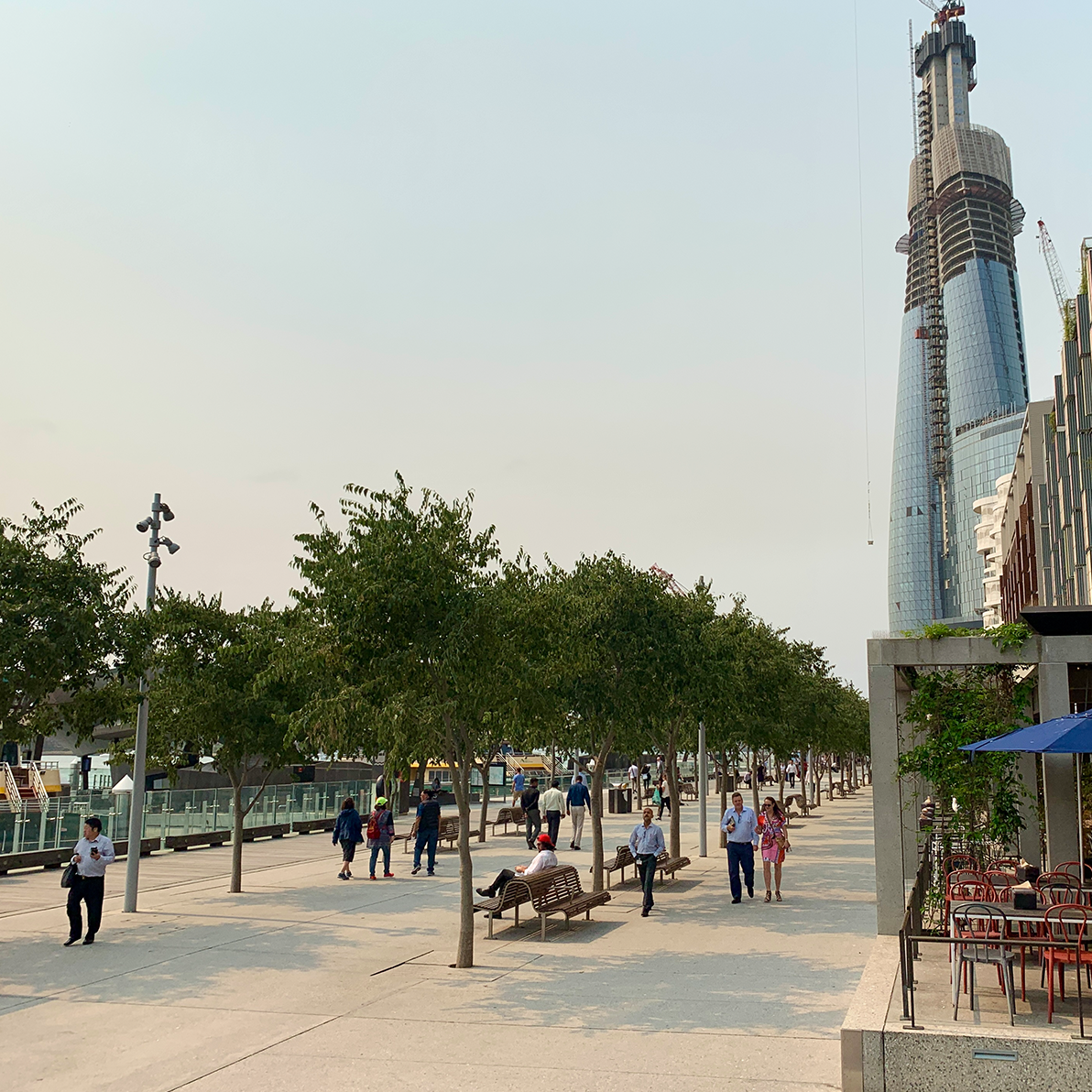
Using the Public Space Activation Toolkit, The Place Institute supports:
Each implementation is adapted to the local context, institutional capacity, and community dynamics.
The Toolkit can be delivered as:

Facilitated workshops
(in person or hybrid)
Multi-day training and
activation processes
Pilot programs followed
by scaling strategies
Advisory support for institutions,
foundations, and cities
All formats are participatory, practical, and action-driven.
Public Space Activation Toolkit programs

If you are interested in activating public spaces through a practical, community-driven, and sustainable placemaking framework:
